
Edit Her loves…
The ABC’s Dead White Man’s Clothes documentary, the Slow Factory Foundation’s greenwashing webinar, NPR’s 1A podcast episode ‘Fulfilling Our Fast Fashion Fix’ and Oxfam’s #SecondHandSeptember pledge.
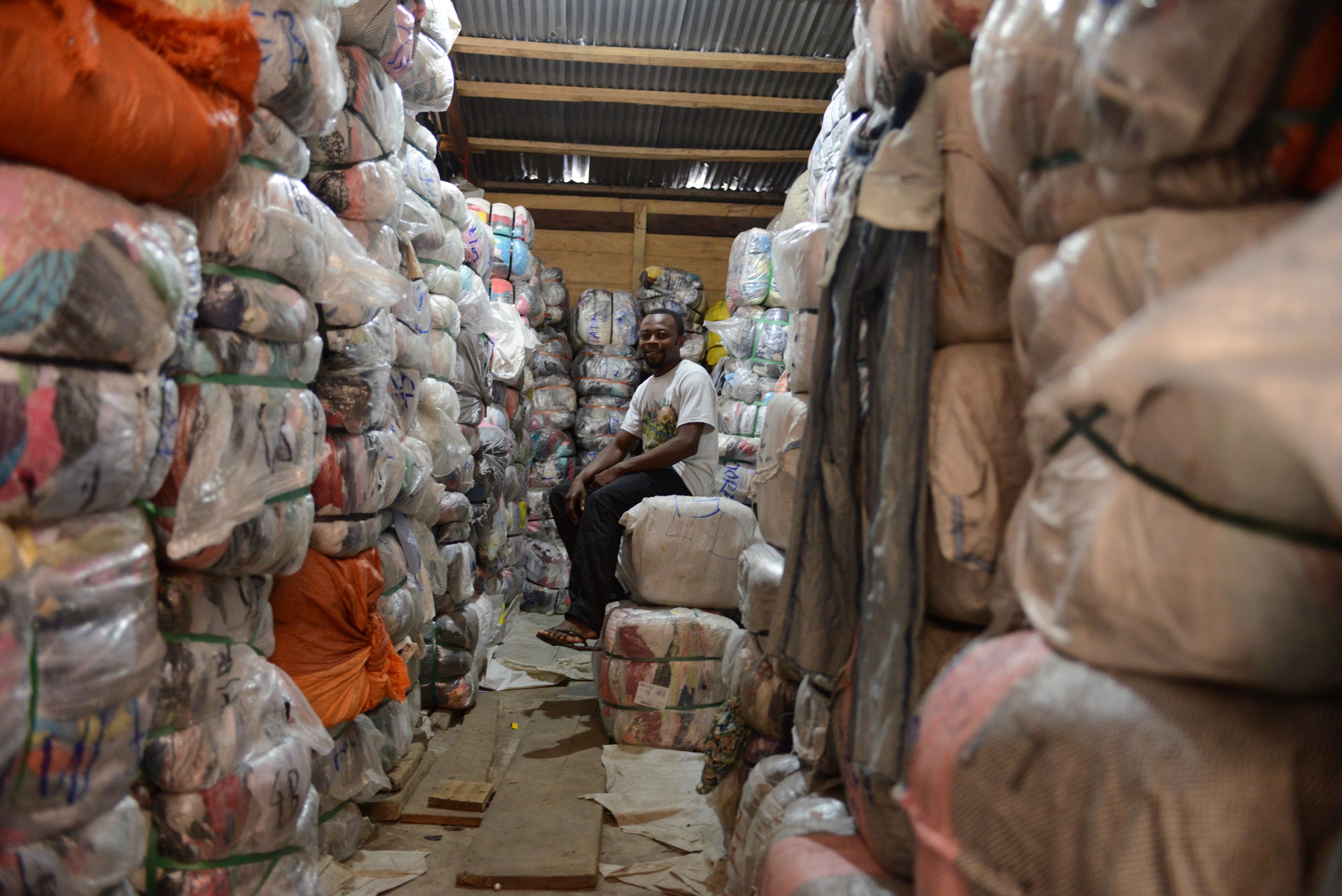
The ABC’s Dead White Man’s Clothes documentary
Australian broadcaster ABC has released a new documentary on the impact of fast fashion in Ghana, West Africa.
The documentary reveals that while 60 per cent of imported fashion items are reused, recycled and resold, 40 per cent are rubbish, creating an environmental catastrophe for this poor nation.
Much of the clothing that arrives in Ghana consists of donated clothing which charities in Europe, the US, China and Australia haven’t been able to sell. Workers in Ghana call them “Dead White Man’s Clothes”.
Because the main dumpsites for textile waste are now full, unregulated dumpsites have sprung up all over the city, making an already dire situation worse. Bales of fetid clothes are often set on fire, filling the skies with acrid smoke.
The documentary lays the blame for this catastrophe squarely at the feet of Western international fashion houses, which Liz Ricketts, who runs an NGO campaigning for awareness of Ghana’s textile waste crisis, says overproduce by over 40 per cent.
The show concludes by asking people who donate their clothes to think twice about where they end up.
Watch the fascinating documentary here.

The Slow Factory Foundation’s greenwashing webinar
The Slow Factory Foundation, which works to increase sustainability literacy in fashion, is offering a course in greenwashing – how to spot and avoid it. The webinar is part of the foundation’s Open Education programme, a free course aimed at Indigenous and minority ethnic scholars.
The hour-long webinar also unpacks the term ‘wokewashing’ and how it relates to the fashion industry. It’s a fascinating lecture from sustainable fashion writer and critic Aja Barber, who shows us how movements like Black Lives Matter have been co-opted by brands, plus ways to spot and call out these disingenuous practices.
Watch the webinar here.
NPR’s 1A podcast episode ‘Fulfilling Our Fast Fashion Fix’
Earlier this month, style writer Dana Thomas, academic Natascha Radclyffe-Thomas, and founder of sustainability platform EcoCult Alden Wicker joined NPR’s 1A podcast for a conversation on ultra-fast fashion.
In the 30-minute episode, guests and host unpack the origins of fast fashion and delve into how it is redefining the way we think about buying our clothes.
The pandemic was a case in point: instead of spending money in stores, consumers turned to online retailers for their fast fashion fix. This meant fast fashion retailers like SHEIN and Amazon had their biggest year of sales during the pandemic. Far from bringing a reckoning to the fast fashion industry, the coronavirus pandemic seemed only to accelerate it.
Listen here.

Oxfam’s #SecondHandSeptember pledge
Oxfam are asking customers to donate and shop second hand for the month of September and beyond. This is in a bid to help slow down fast fashion.
Oxfam promises to either sell donated items in stores or find another use for them – like turning a T-shirt into mattress filler.
The charity will also help support people facing poverty around the world. For instance, the money raised by customers in stores will help people from countries like Bangladesh recover from the economic fallout of the pandemic.
Bangladesh is the largest exporter of garments in the world after China. Last year, the Bangladesh Garment Manufacturers and Exporters Association, which represents factory owners, reported that $2.81 billion worth of work orders, made to 1,025 factories, had been cancelled. A survey of factory owners by Pennsylvania State University’s Center for Global Workers’ Rights stated that the cancelled orders had left millions of workers, many of them women from rural areas, without wages owed or severance.
With 13 million items going to landfill every week and Western buyers refusing to contribute to workers’ unpaid wages, it’s more important than ever that we continue to make a stand.
It’s not too late – more information on how you can take part is here.