
Edit Her loves…
DressX, Picto Foundation’s fashion photography award, Alvanon and ‘E/MOTION. Fashion in Transition’ exhibition.
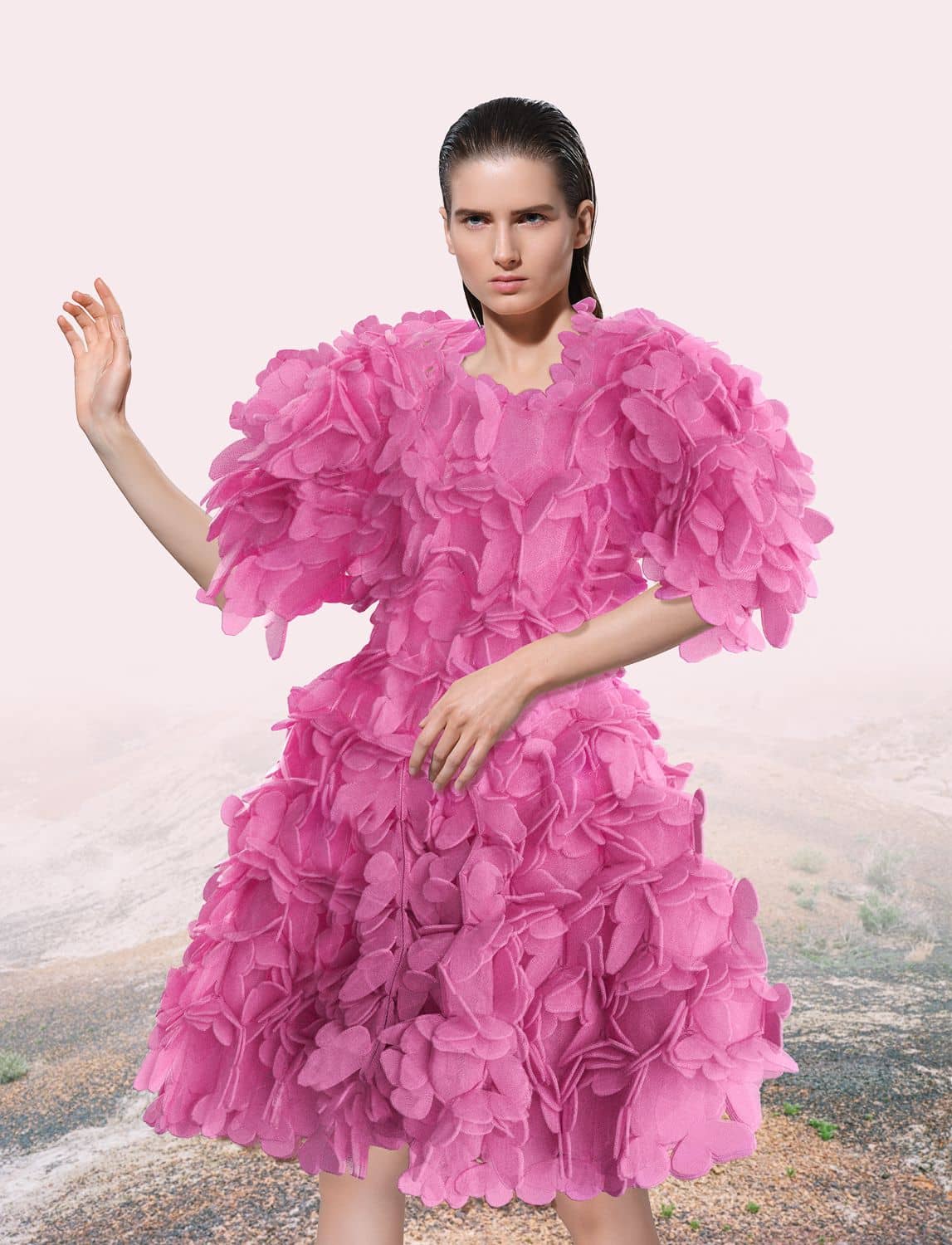
DressX
Buying new items of clothing and then returning them to the retailer – after having snapped a picture in them for social media – is now a common trend. Although frowned upon as a practice, according to one study, a fifth of customers are buying clothes with the intention of returning them, costing UK retailers £1.5bn.
Founders of LA-based company DressX, Daria Shapovalova and
Natalia Modenova, say their digital fashion platform offers a sustainable solution to shopping. They collaborate with designers and labels through their online platform, allowing users to purchase digital fashion items, send in an image of themselves and keep one item that’s been superimposed onto their body. This means consumers can now purchase a new item of clothing without it ever having to be produced. According to Shapovalova, substituting just one per cent of physical clothing with digital items reduces the annual carbon footprint of the fashion industry by 35 million tonnes.
But how does it actually work? Currently the internet’s biggest platform for digital-only fashion clothes, DressX draws on the possibilities offered by NFTs, or ‘non-fungible tokens’. If you haven’t heard of them, NFTSs are a tool for proving ownership of a digital asset. In DressX’s case, NFTs are attached to the JPEG image that customers receive after purchasing their digital item. While NFTs have been around for the better part of a decade, it’s only recently that they’ve begun to make a splash in the fashion world. Earlier this year, virtual fashion brand RTFKT sold a digital jacket for over $125,000.
So what’s next for DressX? The company recently announced it had raised $2m in a seed funding round. The money will be used to expand its NFT market, launch the DressX mobile app (now live), and partner with social media, gaming and other virtual platforms. As a technology that generates almost zero waste and chemicals, this might just be the tech that sells us on digital fashion. Find out more here.

Pictured: the work of 2020s first place finalist, Chiron Duong
Picto Foundation’s fashion photography award
The Picto Foundation has just launched its annual fashion photography prize, the Picto Fashion Photography Award, for emerging talent. Now in its twenty-third year, the prize will give three lucky winners the chance to exhibit their work at the Palais Galliera in Paris, which houses more than 70,000 items from fashion history. These including an extravagant bodice owned by Marie-Antoinette and and an evening gown by Yves Saint Laurent, to name a few. Other prizes include a Leica camera valued at €4,000 and a photographic commission valued at €5,000. Applications close 10 September 2021. If you’re an emerging fashion photographer looking to make a name for yourself, this is an excellent opportunity to have your work exhibited in front of an international audience. Why not throw your hat in the ring? Find out more here.
Alvanon
In the age of online shopping, finding the right size and fit can be a process fraught with difficulty. Customers are often faced with confusing size guidelines and sometimes do not know their size or measurements to begin with. A size large at one brand may be a medium or small at another. Then there’s the issue of returning an item that doesn’t fit or doesn’t look like it did on the screen. Without the option of trying on clothes first, many customers ‘bracket’ their online purchases, meaning they purchase multiple sizes of the same item in the hopes of finding the right size. Items that are too small or too big or that simply don’t fit well are inevitably returned, placing an undue burden on the environment and the retailers themselves. Furthermore, many of these returned items cannot be resold or relisted, if they’re damaged, soiled or are no longer on sale, for example. The problem is one well worth reckoning with; according to a survey by premium branded fashion retailer Tessuti, 37% of UK online shoppers return items due to incorrect sizing or fit.
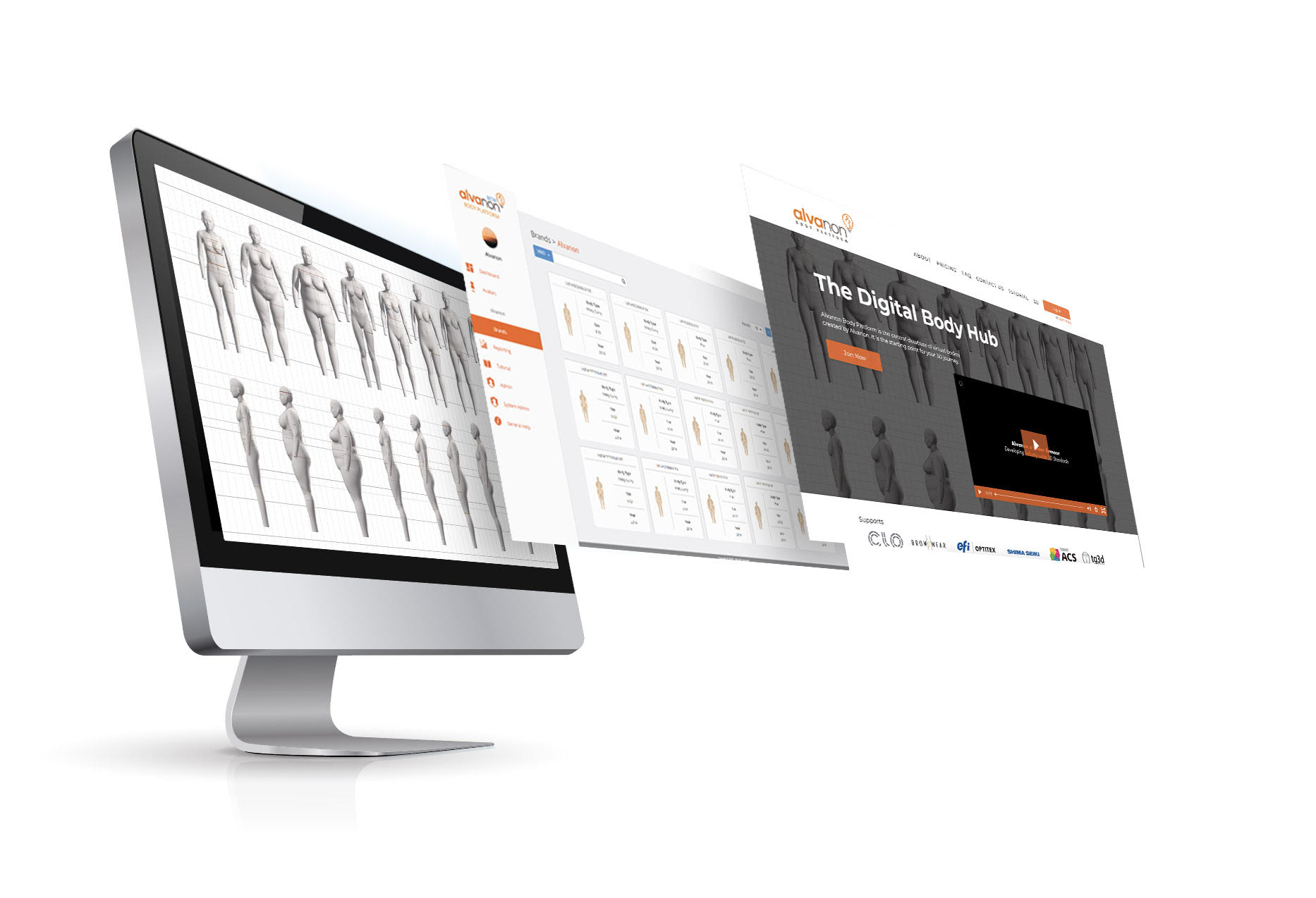
So, what can be done? Entrepreneurs and companies in the technology sector have started to look for solutions, influenced in particular by the rise of environmentally conscious consumers who are looking to reduce their clothing consumption. One such company, Alvanon, is using technology and body shape data to help brands reshape their sizing strategies, so customers can be sure they are buying an item that will fit them perfectly.
Founded in 2001 by former doctor and garment manufacturer Kenneth Wang, Alvanon was launched after a failed attempt to sell clothing online. Searching for answers, Wang developed a system that bases sizing on real human anatomy, incorporating an understanding of pattern making and garment production into the process. The company now sells digital and physical mannequins, or ‘AlvaForms’, based on real data pulled from tens of thousands of body scans conducted internationally, from Australia to the UK. Alvanon is yet another example of innovative technologies that are quietly but calmly shaking up the fashion industry, one small step at a time.
Find out more here.
‘E/MOTION. Fashion in Transition’ exhibition
MoMu, Antwerp’s fashion museum, recently announced the launch of an exciting programme that will feature exhibitions, open-air projects, city walks and activities exploring the theme of fashion in transition.
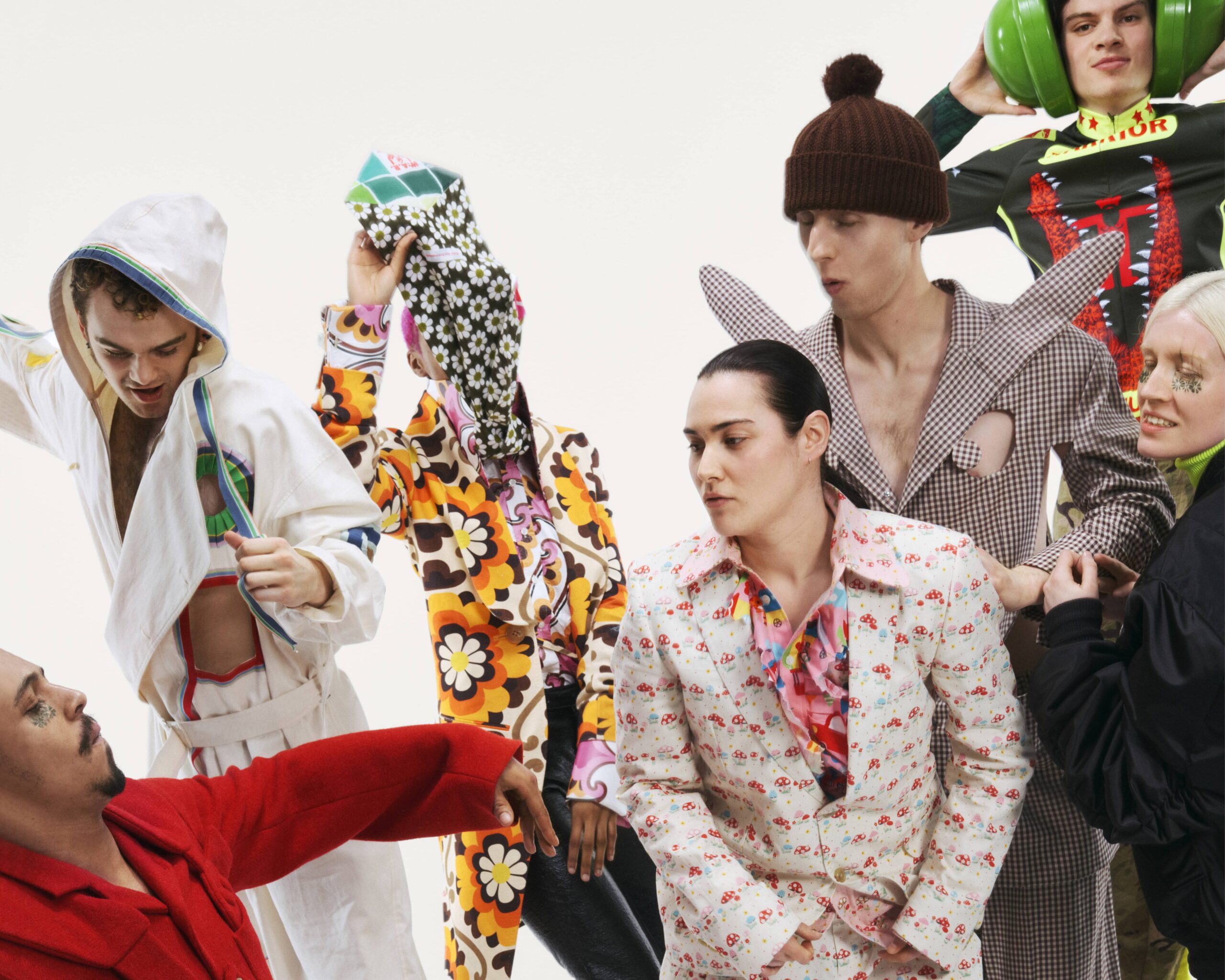
In its first exhibition, ‘E/MOTION. Fashion in Transition’, the museum will look back on the events of the past three decades and ask questions about how fashion can reinvent itself as an industry, as well as the role that fashion designers can play in the future. The exhibition will feature a vast array of multimedia objects – fashion silhouettes, artworks, photography, video and documentation – to explore the way in which fashion is an expression of emotion, fear and desire in society. It will include work by Helmut Lang, Walter Van Beirendonck, Alexander McQueen, Martin Margiela, John Galliano, Raf Simons, Versace, Phoebe Philo, Demna Gvasalia, Molly Goddard and Simone Rocha, amongst others. Running from 4 September until January 2022, this is an unmissable event for your fashion calendar. Book tickets here.